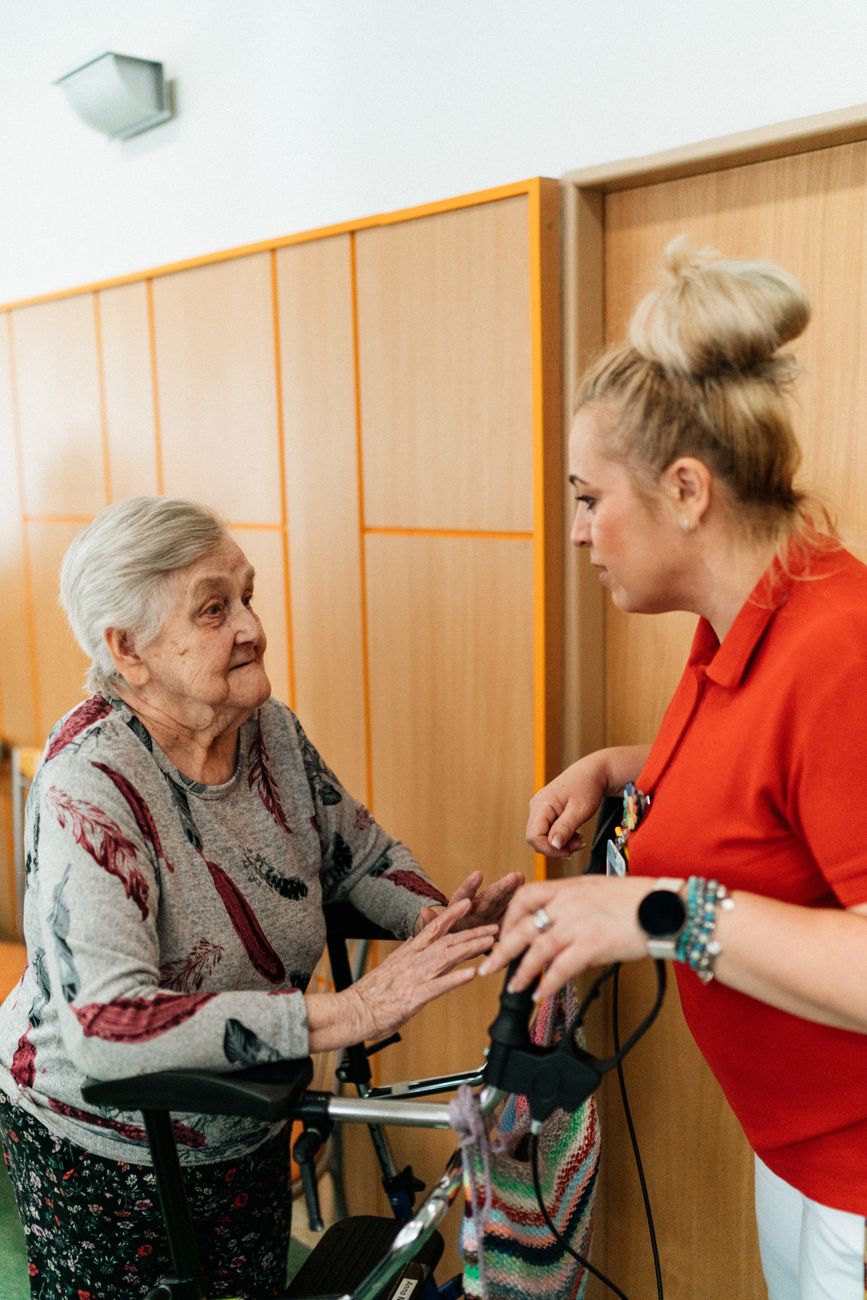
Start with a walk-through of your home, looking at each room from a safety perspective. Think about where you spend the most time and what movements you make—like stepping into the shower or reaching for a high shelf.
In the bathroom, check for slip risks. A non-slip mat outside the tub or shower can make a big difference. Also test grab bars: they should be securely anchored to wall studs, not just tile. If you have trouble standing at the sink, a raised toilet seat or a bath bench can help.
In the kitchen, look at how you store everyday items. Keep pots, pans, and dishes within easy reach—no bending low or stretching high. Clear countertops of clutter so you have a stable surface to set hot foods. Check that your stove has an automatic shut-off feature or a timer reminder.
Bedrooms need clear pathways from bed to bathroom. Remove loose rugs or secure them with double-sided tape. A nightlight in the hallway and one in the bathroom can prevent stumbles. Consider a bedside lamp with a touch switch or a motion-activated light.
Living areas should have furniture arranged so you can walk without obstacles. Move cords away from walking paths. Check that chairs and sofas are sturdy and at a height that makes standing up easy—not too low. If you use a walker or cane, ensure there’s space to maneuver.
Entrances and exits are critical for safety and emergencies. Make sure door thresholds are low or have ramps. Keep pathways clear of snow, leaves, or clutter. Install good lighting at all entry points, and consider a keyless lock so you don’t have to fumble with keys.
Lighting is often overlooked but vital. Use the highest wattage bulbs your fixtures allow, and add task lighting in reading areas and kitchen counters. Consider motion-sensor lights in hallways and bathrooms so you never walk into darkness.
Finally, prepare for emergencies. Keep a list of emergency contacts by each phone, and have a flashlight in every room. Test smoke and carbon monoxide detectors monthly. If you have a medical alert system, wear it every day. These small steps build a safety net that lets you live confidently at home.
The products below are our picks for these needs. This article contains affiliate links — as an Amazon Associate we earn from qualifying purchases, at no additional cost to you.
1. Prevent Bathroom Falls With Better Support and Accessibility
The bathroom is a high-risk area for falls, especially when stepping in and out of the shower or using the toilet. To make it safer, install grab bars near the toilet and in the shower or tub, and use non-slip mats inside and outside the shower. A shower chair or bench and a hand-held shower head reduce the need to stand. A raised toilet seat makes sitting and standing easier. Keep toiletries within easy reach and ensure adequate lighting, especially at night.
Helpful resources to consider
- PELEGON Toilet Safety Rails (350 lb) - Adjustable Toilet Safety Frame & Rails, Toilet Safety Rail for Elderly Adults, Toilet Handles for Seniors, Toilet Bars for Elderly & Handicap
- Reyiu Grab Bars for Shower, 16.5 Inch Shower Handle with Safety Indicators, Suction Cup Bathroom Grab Bar for Elderly, Seniors, Handicap - No Drill, Waterproof, Removable (2 Pack)
Helpful products to consider (paid links)

Made in America! 3 Safety Mechanisms. Wireless Remote. 350lb Capacity. Warranty
View on Amazon
WALL COMPATIBILITY GUIDELINES: To ensure stable suction, grab bars are only suitable for smooth, non-porous, and sealed walls, such as tiles (Standard 4"x4" or larger), metal, glass, marble, stainless steel, and acrylic, and other non-breathable materials. Avoid installing on uneven tiles, porous surfaces, painted walls, or in tile grout lines. This shower handle is only for providing support and balance; do not put your full weight on the shower grab.
View on Amazon2. Make Kitchen Tasks Easier and Safer to Prevent Strains
Reaching for high shelves or bending into low cabinets can cause falls or muscle strain. Store everyday items at waist level, and use pull-out shelves or lazy Susans to keep things accessible. Replace round doorknobs with lever handles for easier opening. Good task lighting over counters and stove improves visibility. A side-by-side refrigerator allows easier access to food. If you need a step stool, choose a stable one and avoid climbing.
Helpful products to consider (paid links)

【Ultra-Quiet Magnetic System — 16 Levels Up to 130LBS】Enjoy smooth, silent workouts with a magnetic resistance system designed for quiet home training. With 16 resistance levels up to 130LBS, this stair stepper allows you to switch from light cardio to intense muscle-building sessions. Perfect for apartments, this stair stepper for home keeps workouts quiet while delivering a true stairmaster-style experience.
View on Amazon
【ALUMINUM ALLOY STEEL】Electric Stair Climbing Dolly adopts strong precision aluminum alloy steel frame, which can be used for lifting goods, while the foldable toe board and non-slip rubber tires can reduce the swaying of goods in the process of delivery to ensure the safety of goods, and at the same time, reduce the force and risk of climbing stairs, reduce the possibility of back injuries, so as to make your lifting safer and more reliable
View on Amazon3. Create a Comfortable and Safe Bedroom for Restful Nights
Getting up at night to use the bathroom can be risky if the path is cluttered or dark. Keep a clear path from bed to bathroom and use nightlights to illuminate the way. Place a lamp and phone within reach of the bed. Ensure the bed is at a comfortable height for getting in and out. Remove loose rugs or secure them with double-sided tape. Consider a bed rail for extra support when turning or sitting up.
Helpful products to consider (paid links)

Notes: The white plastic plug on the smaller tube is designed to reduce wobbling by filling the gap between the smaller and larger tubes. Please DONOT remove it
View on Amazon
[Lightweight & Effortless Lift] - This lightweight chair lift has been structurally improved while maintaining its load-bearing capacity, with an overall mass that's 30% lighter than other models at just 23lbs. It's more stable in use and can hold up to 300 lbs.
View on Amazon4. Reduce Fall Risks in Living Areas With Clear Walkways
Cluttered living areas and loose rugs are common trip hazards. Arrange furniture to create wide, clear walkways, and remove or secure all throw rugs. Keep electrical cords against walls and out of traffic areas. Ensure chairs and sofas are sturdy and at a good height for sitting and standing easily. Improve lighting in hallways and stairs, and use contrast tape on step edges to make them more visible.
Helpful products to consider (paid links)

Portable Stair Assistance for Seniors The lightweight EZ-Step walker provides stair climbing assistance for the elderly, while offering stability and balance while navigation stairs, curbs and sidewalks.
View on Amazon
【Meets a variety of needs】Our stair assist cane can be adjusted in width and height. They can not only fit different steps but also meet the needs of users of different heights, making them more comfortable to use. The handrails can bear a weight of 300 pounds.
View on Amazon5. Ensure Safe Entry and Exit for Easy Mobility
Navigating doorways and steps can be challenging with a walker or wheelchair. Ensure doorways are at least 32 inches wide for easy passage. Install ramps if there are steps, and add handrails on both sides of stairs. Keep outdoor paths well-lit and clear of debris. A video doorbell adds security. Place a sturdy chair near the entrance for resting when coming or going.
Helpful products to consider (paid links)
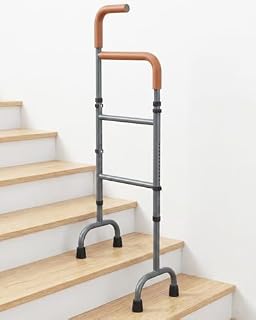
Notes: The white plastic plug on the smaller tube is designed to reduce wobbling by filling the gap between the smaller and larger tubes. Please DONOT remove it
View on Amazon
Effortless Stair Climbing: Our stair climbing hand truck is designed to make moving heavy objects up and down stairs a breeze. With its unique track structure and anti-slip crawler, It is suitable for straight stairs of less than 30 degrees and provides stability and safety
View on Amazon6. Protect Against Fires and Emergencies Throughout the Home
Smoke and carbon monoxide are silent dangers, especially for seniors. Install detectors on every level and test them monthly. Keep a fire extinguisher in the kitchen. Set water heater temperature to 120°F to prevent burns. Use cordless phones or keep a phone within reach. Have a first aid kit and emergency numbers handy. Consider a medical alert system or caregiver pager for quick help.
Helpful resources to consider
- Caregiver Pager, Wireless Call Button for Seniors/Elderly at Home, 1 SOS Button + 1 Receiver Medical Life Alert System, Emergency Panic Call Bell, Help Alarm for Nurse Calling & Patient Assistance
Helpful products to consider (paid links)

EASY ENTRY SECURITY: Low-threshold walk-in design with an inward-swinging door reduces step-over height for safer access. Integrated grab bars, slip-resistant flooring, and ADA-compliant seat promote steady footing and confident independent bathing.
View on Amazon
EASY ENTRY SECURITY: Low-threshold walk-in design with an inward-swinging door reduces step-over height for safer access. Integrated grab bars, slip-resistant flooring, and ADA-compliant seat promote steady footing and confident independent bathing.
View on Amazon7. Improve Visibility and Reduce Glare for Better Safety
Poor lighting and glare can cause missteps and falls. Increase overall lighting in every room, and use nightlights in hallways, bathrooms, and bedrooms. Install motion-sensor lights in closets and entryways. Use task lighting for reading and cooking. Replace burnt-out bulbs promptly. Use sheer curtains to reduce glare. Keep eyeglasses clean and have regular eye exams.
8. Be Ready for Emergencies With a Plan and Essential Supplies
When an emergency strikes, being prepared can save precious time. Create an emergency plan with escape routes and keep a list of emergency contacts by each phone. Have a flashlight with fresh batteries in every room. Store a week's supply of medications and medical supplies. Consider a personal emergency response system (PERS). Ensure caregivers have a way to check in daily.
9. Support Caregivers With Tools and Strategies to Reduce Stress
Caregiving can be overwhelming without the right support. Communicate openly about needs and preferences, and keep a shared calendar for appointments and tasks. Use a caregiver pager or intercom for quick assistance. Organize medical records and medications in one place. Take breaks and ask for help when needed. Consider professional in-home care services for additional support.
Frequently Asked Questions
What is the most important thing to do for aging in place?
Fall prevention is the top priority. Install grab bars in bathrooms, improve lighting, remove tripping hazards, and use non-slip mats. These simple changes can significantly reduce fall risk.
How do I make my bathroom safer for an elderly person?
Install grab bars near the toilet and in the shower. Use a non-slip bath mat. Add a shower chair and a hand-held shower head. Consider a raised toilet seat. Keep the floor dry and clutter-free.
What should I do if my loved one has trouble getting around?
Widen doorways if needed, install ramps for steps, and add handrails on stairs. Rearrange furniture for clear pathways. Use a walker or wheelchair if prescribed. Consider a stairlift for multi-level homes.
How often should I check smoke detectors?
Test smoke and carbon monoxide detectors monthly. Replace batteries at least once a year, or when the low-battery chirp sounds. Replace detectors every 10 years.